Breast Reduction Surgery: A Detailed Overview for 2026
Opting for surgical breast size reduction is a monumental life choice demanding meticulous preparation. As we enter 2026, advancements in surgical techniques have made the operation safer along with providing effective compared to previous years. Many individuals suffer from chronic physical challenges caused by breast hypertrophy, such as constant back, neck, and shoulder aches. Furthermore, beyond the physical alleviation of symptoms, the intervention often enhances body image and enables patients to participate in physical activities they previously found impossible. Understanding the full spectrum of the process, starting with the first consultation through to complete recovery, is vital for achieving the best aesthetic and functional results. 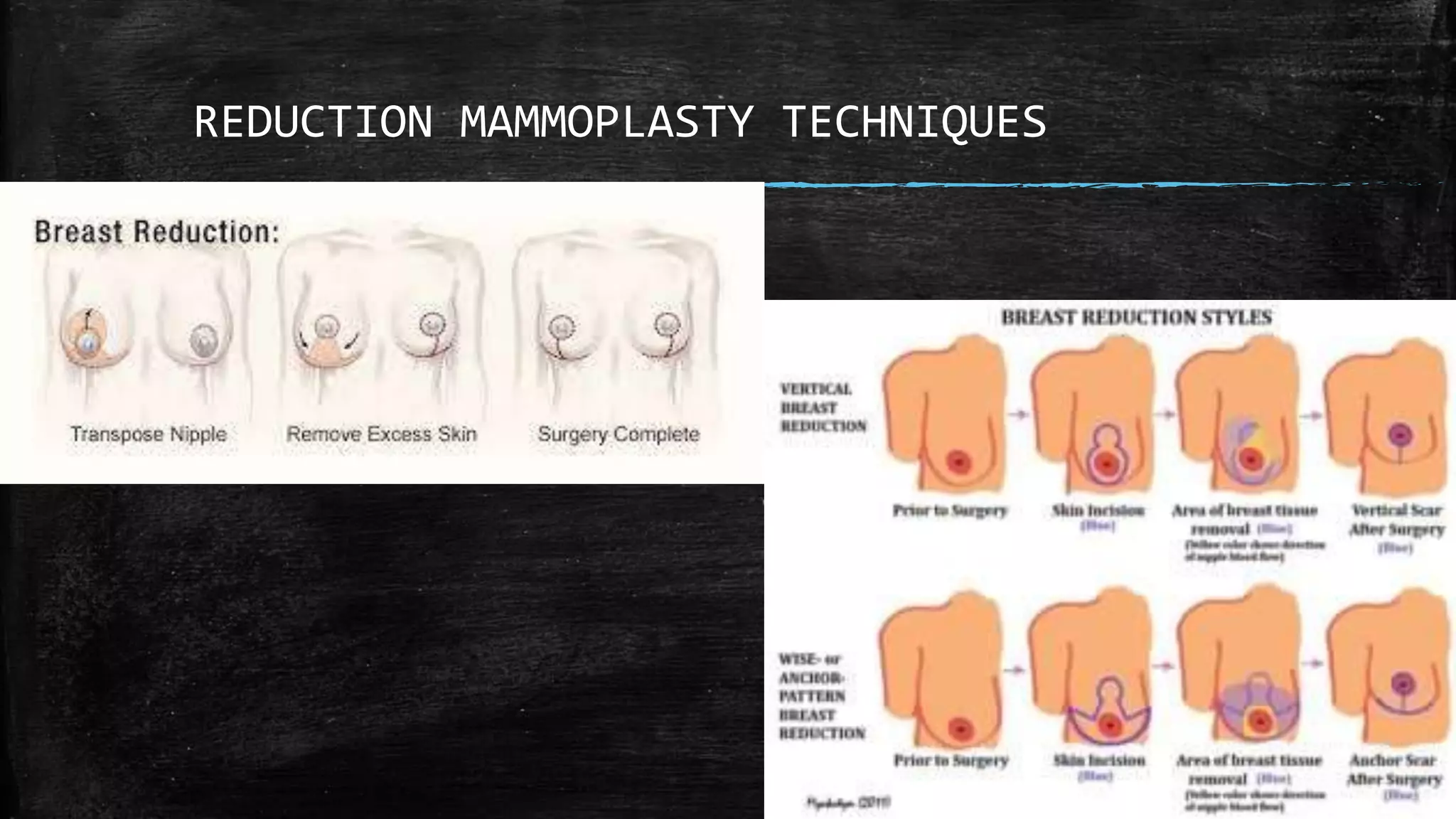 The most common reason behind requesting mammaplasty is often relief from severe discomfort. Heavy, excessive breast tissue is oversized, it exerts excessive strain on the skeletal structure. This constant load often leads to noticeable grooves from bra straps across the shoulder area, long-standing postural issues, along with nerve sensations in the fingers due to brachial plexus pinching. Medical professionals frequently observe that these physical restrictions often dramatically curtail an individual's ability to pursue an active way of life. Through medically excising redundant glandular tissue, fat, as well as skin, doctors can bring back a more balanced chest profile, effectively relieving the chronic causes of these nagging ailments. After an individual chooses to proceed, the initial stage includes an in-depth consultation with an qualified cosmetic surgeon. Within this meeting, the specialist will meticulously evaluate the patient's current health, analyze their personal aesthetic goals, and determine the ideal suitable methodology. Communication is paramount during this phase; patients must be honest about their medical history, medications, and expectations. The professional may also measure chest dimensions to establish the amount of material that needs to be excised. Current 3D modeling tools frequently utilized to provide the individual a realistic preview of likely post-operative results, thereby aligning hopes prior to the operation ever begins. The surgical procedure itself typically lasts a few hours, based on the complexity involved in the case. During sedation, the surgeon will create strategic incisions to excise the excess tissue mass. Common incision techniques involve the anchor, the vertical, or the donut method. The selection of incision relies largely on the extent of breast sagging as well as the amount of reduction necessary. Once the tissue has been extracted, the nipple is relocated to the more youthful location on the chest mound. Finally, the skin is reshaped and the incisions are meticulously closed using absorbable sutures. The result is meant to be a firmer, more appropriately sized, and a more balanced breast appearance. Recovery is a vital component of the effective breast reduction experience. Immediately following the procedure, individuals shall feel varying levels of soreness, swelling, and bruising, which are typical parts of the recovery journey. Doctors typically prescribe pain relief strategies to maintain the patient comfortable throughout the first several nights. Patients are strictly encouraged to refrain from strenuous activities for several months to ensure optimal incisional healing. Wearing a supportive compression garment remains essential during the first phase to offer structural stability and minimize fluid buildup. Most individuals are go back to light office duties inside one or two weeks, though complete resumption of all daily physical pursuits typically takes approximately four to six months. As with any surgical intervention, there are potential side effects that one must be aware of. Possible issues comprise post-operative infection, adverse reactions to anesthesia, changes in nipple-areola sensitivity, difficulty with nursing infants, and scarring. While most mammaplasty patients enjoy highly positive results, choosing a highly accredited surgeon significantly reduces the likelihood of complications. An experienced practitioner will prioritize patient safety above all, guaranteeing that every safety measure is observed throughout the complete surgical process. Prospective individuals should thoroughly investigate their surgeon's qualifications, review patient reviews, and examine previous results photographs to gain confidence in their selection.
 To sum up, the move to pursue a breast reduction at this stage in time represents an empowering journey towards better physical comfort and increased personal confidence. Through tackling the chronic pain and the self-conscious insecurities connected with large breasts, individuals can take back their daily comfort. Although the road involves careful thought, the professional guidance offered in modern times makes it more achievable and reliable than ever before. If an individual find yourself struggling with the constant toll of excessively heavy chest tissue, scheduling a professional meeting with a board-certified plastic surgeon is the initial move towards a significantly more pain-free and satisfying future. Take charge of your physical well-being and explore the possibilities to achieve the relief you truly want.